


Most people spend more time researching a car purchase than they do vetting a conservatory contractor.
That’s a costly mistake when you’re talking about a structure that touches your home’s foundation, roofline, and resale value.
These eight questions will help you separate skilled conservatory builders from companies that are just chasing the contract.
1. How Long Have You Been Building Conservatories Specifically?
General contractors build decks, additions, and garages. Conservatories are different. The glass-to-frame ratios, thermal performance, drainage engineering, and structural loads involved require experience that only comes from doing this kind of work repeatedly.
Jim Hewitt of Conservatory Craftsmen has been in the conservatory business since 1988. That’s not a number you can fake, and it matters when things get complicated.
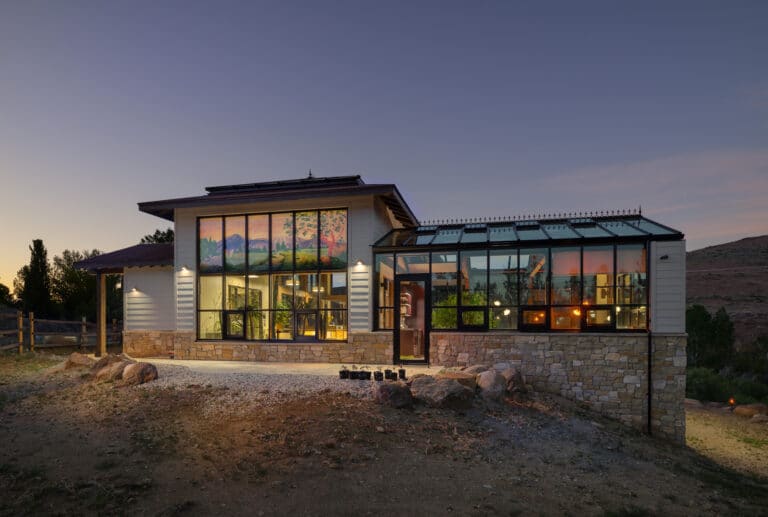
Ask for a portfolio of completed projects. Ask if any of them are similar to what you’re envisioning, whether that’s a classic orangery, a greenhouse with automated irrigation, or a glass addition on an urban rooftop.
2. Can You Show Me Completed Projects Similar to Mine?
Every conservatory project has unique variables: site orientation, foundation type, climate exposure, and how the structure connects to the existing building. A builder who has only done ground-level suburban additions may not be the right fit for a rooftop conservatory on a historic building, for example.
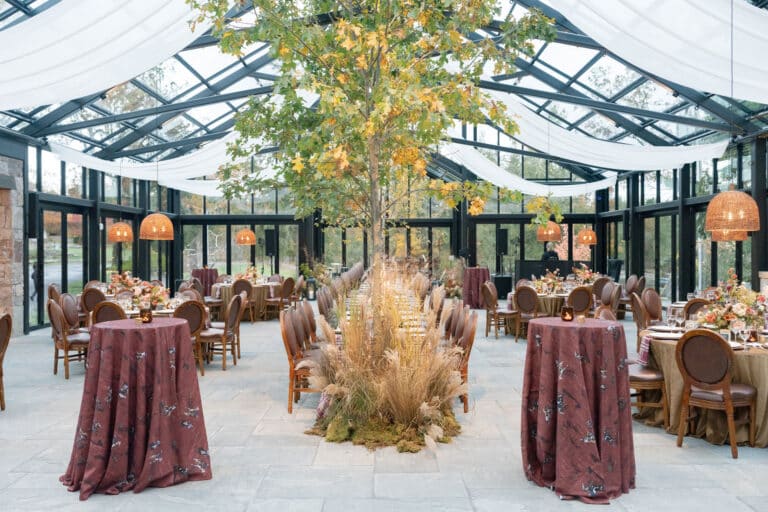
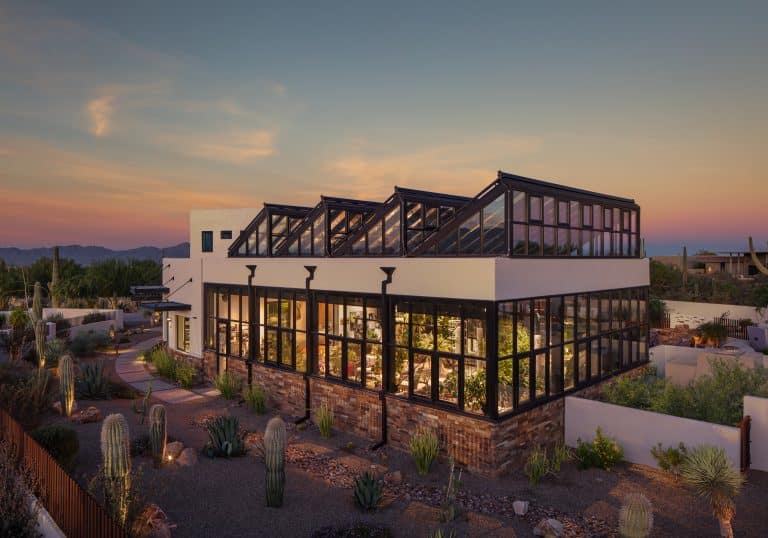
Conservatory Craftsmen completed a rooftop installation at a renovated historic building in Rockford, Illinois, for a client opening a wedding venue.
The client said the finished conservatory “looks nicer than anything I’ve ever seen downtown Chicago” and that the entire installation wrapped up within two weeks.
That level of project diversity and speed tells you a lot about a builder’s capability.
3. What Style Options Are Available, and What Do You Recommend for My Home?
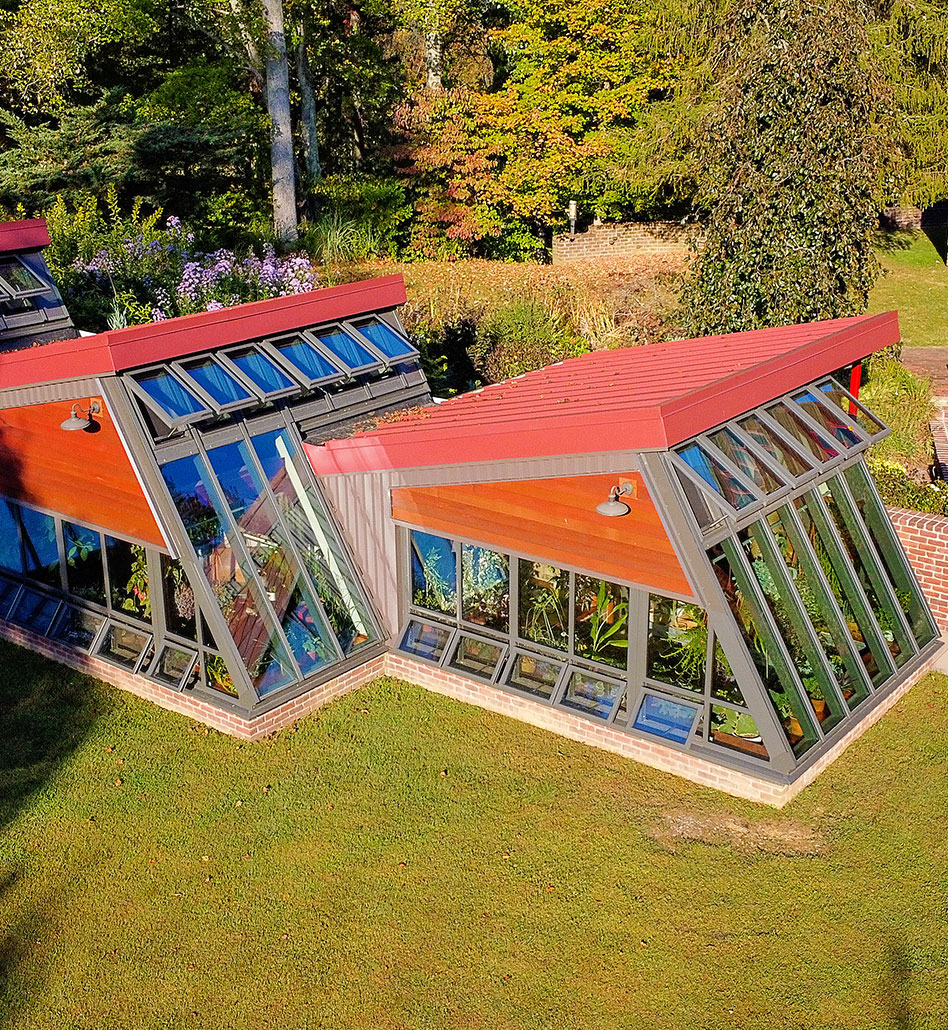
There’s a meaningful difference between a greenhouse, an orangery, and a classically designed conservatory. A greenhouse prioritizes plant cultivation, humidity control, and grow lighting.
An orangery is a solid-roofed structure with large glazed sections, better insulated and suited for year-round living. A traditional conservatory leans into glass and natural light, often with beveled or leaded details.
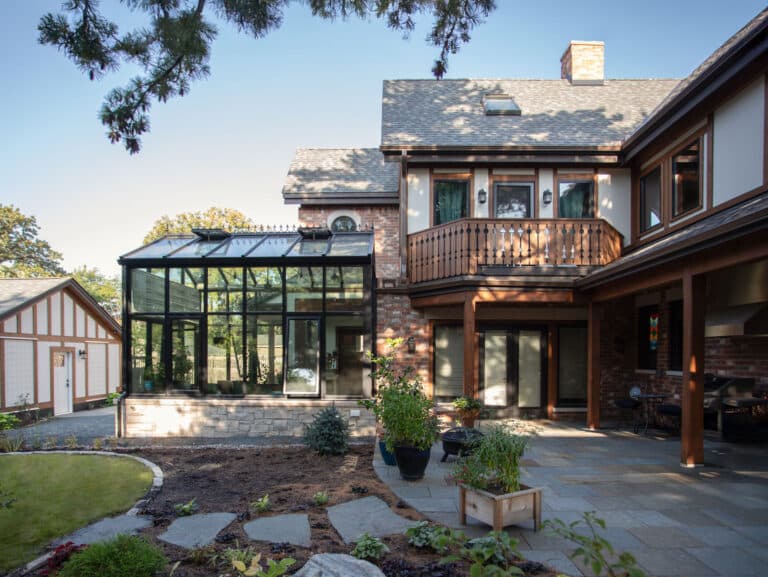
A good builder won’t just build what you ask for. They’ll ask how you plan to use the space, what direction it faces, and how it connects to the rest of your home before making a recommendation.
4. What Smart Technology Integration Do You Offer?
This is increasingly a differentiating question. A conservatory that can sense rain and automatically adjust ventilation, regulate temperature without manual input, or let you control blinds and watering schedules from your phone is a fundamentally different product from a passive glass room.
Conservatory Craftsmen builds smart tech directly into their projects, programming systems to respond to weather conditions automatically.
You can also override everything manually from a smartphone. That kind of integration takes intentional expertise, and not every conservatory company offers it.
5. How Do You Manage Permits and Local Building Codes?
This is where inexperienced contractors cut corners. Conservatories require permits in most municipalities, and the requirements vary significantly depending on size, attachment method, and whether the space will be heated year-round.
Ask specifically who pulls the permits and whether the builder has experience working with your local building department.
A contractor who waves off the permit question is a red flag worth taking seriously.
6. What Happens if Something Goes Wrong After Installation?
Workmanship warranties vary widely in this industry. Some builders offer 90 days. Others stand behind their work for years.
Ask for the warranty terms in writing and make sure you understand what’s covered: glazing seals, frame integrity, drainage performance, and smart system functionality are all worth asking about separately.
7. What Is the Realistic Timeline from Design to Completion?
A well-run conservatory project, from design approval through installation, should have a clear schedule with defined milestones.
Ask what causes delays in their experience and how they communicate with clients when the schedule shifts. Builders who can’t answer this specifically usually haven’t thought it through.
8. Who Will I Be Working With Day to Day?
Some companies sell the project and hand it off to a subcontracted crew you’ve never met. Others have their own craftsmen on-site from day one.
Knowing who’s responsible for your project and having a direct line to that person makes the entire process smoother and holds everyone to a higher standard.
How to Choose the Right Conservatory Builder
- Look for specialized experience
- Ask for similar project examples
- Confirm permits and warranty details
- Prioritize clear communication
Talk to Conservatory Craftsmen Before You Commit to Anyone
If you’re planning a conservatory, start with a conversation before committing to a builder.
Conservatory Craftsmen can walk you through design options, timelines, and what to expect based on your space.
Reach out through their website to get clarity before you move forward.
FAQs
What’s the difference between a conservatory, an orangery, and a greenhouse?
A conservatory is primarily glass and framing, designed around natural light. An orangery has a solid roof with glazed walls, better suited for year-round use. A greenhouse prioritizes plant cultivation with controlled humidity and growth conditions.
How much does a conservatory cost?
It varies significantly based on size, style, materials, and features like smart technology or custom glazing. Conservatory Craftsmen provides pricing tailored to each project rather than quoting ranges that rarely reflect the finished product.
Does a conservatory add value to my home?
Well-designed and properly permitted conservatories generally add value, particularly when they extend usable living space. The quality of construction matters as much as the addition itself.
Can a conservatory be used year-round?
Yes, with the right design. Orangeries and insulated conservatories with heating and smart climate control are built for four-season use. A builder should ask about your intended use before recommending a design.
How long does conservatory installation typically take?
It depends on the scope and complexity. Conservatory Craftsmen completed a full rooftop installation within two weeks. Your timeline will depend on the design, site conditions, and permit processing in your area.