


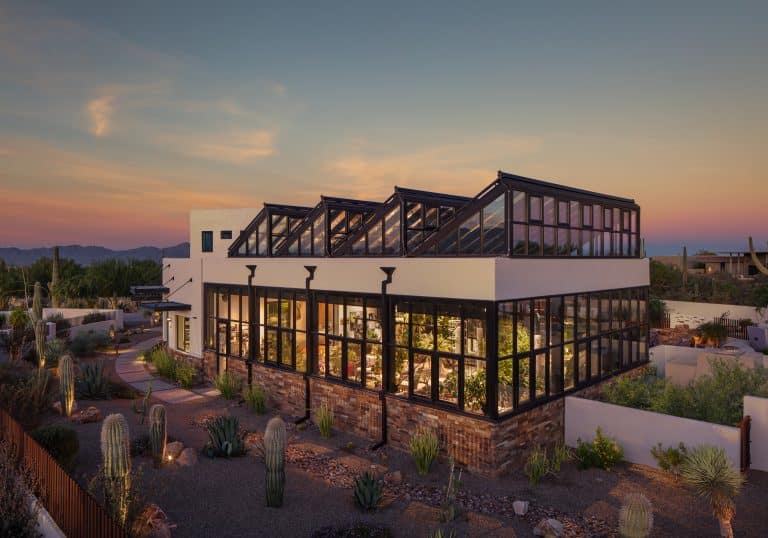


The snow melts, the days get brighter, and the urge to start planting returns. Instead of waiting for unpredictable outdoor weather, greenhouse owners can get a head start on the season weeks or even months earlier.
Successful spring greenhouse planning, what to grow and when to start, takes more than a few seed packets. Your greenhouse climate, size, layout, and gardening goals all shape which crops will thrive and the right time to plant them.
Whether you use your luxury greenhouse for orchids, fresh vegetables, or a mix of both, a clear spring plan helps you make the most of your growing space. Here’s how to plan your spring greenhouse season for the best results.
Understanding Your Greenhouse Growing Environment
Before selecting crops and planting dates, assess your greenhouse’s specific conditions. Unlike outdoor gardens subject to unpredictable weather, greenhouses offer controlled environments where you manage temperature, humidity, and light exposure.
Key environmental factors include:
- Temperature ranges your climate control system maintains
- Natural light exposure based on greenhouse and glass type
- Humidity levels and ventilation capabilities
- Available growing space, including vertical areas, and floor space
- Water delivery systems and irrigation setup
- Heating costs and energy efficiency considerations
Luxury greenhouses equipped with automation and smart technology allow precise environmental control. You can create tropical conditions for heat-loving plants in one zone while maintaining cooler temperatures for cold-hardy crops in another area.
Cool-Season Crops to Start in Early Spring
Even in the depths of winter, heated greenhouses support cool-season crop production. These plants tolerate and often prefer cooler temperatures, making them ideal for early spring greenhouse growing.
Excellent cool-season greenhouse crops:
- Lettuce and salad greens started in January for February harvests
- Spinach, arugula, and Asian greens providing continuous cuts
- Radishes reaching maturity in just 25-30 days
- Peas climbing vertical supports to maximize space
- Broccoli, cauliflower, and cabbage started from seed in February
- Herbs like cilantro, parsley, and chives for fresh seasonings
Start these crops 6-8 weeks before you’d plant them outdoors. In most regions, this means January and February start for March and April harvests.
Cool-season plants actually struggle in hot conditions, so greenhouse climate control prevents bolting and extends your harvest window significantly beyond outdoor growing seasons.
Warm-Season Plants: When to Start Seeds in a Greenhouse
Warm-season vegetables and flowers require soil temperatures that outdoor gardens won’t reach until late spring. Starting these plants in your greenhouse gives them a strong head start for eventually transplanting outdoors or continuing in greenhouse beds.
Popular warm-season greenhouse starts:
- Tomatoes started 6-8 weeks before the last frost date
- Peppers require 8-10 weeks from seed to transplant size
- Eggplant needs warm temperatures from the beginning
- Cucumbers, squash, and melons started 3-4 weeks before outdoor planting
- Basil and other heat-loving herbs
- Annual flowers like zinnias, marigolds, and petunias for garden color
Calculate your planting dates by working backward from your region’s average last frost date.
Specialty Crops You Can Grow Year-Round in a Greenhouse
Luxury greenhouses excel at growing specialty crops that struggle or fail in outdoor gardens. These plants justify greenhouse investment through unique flavors, exotic beauty, or extended harvest periods.
Specialty crops for greenhouse cultivation:
- Tropical fruits like citrus, figs, and passion fruit
- Exotic orchids needing specific humidity and temperature
- Microgreens for continuous year-round harvests
- Dwarf fruit trees in containers
- Gourmet mushrooms in shaded, humid areas
- Rare herbs and unusual vegetables not found in stores
These plants often require the precise environmental control that quality greenhouse automation provides. Temperature consistency, humidity management, and proper ventilation prevent disease while encouraging healthy growth and production.
Succession Planting for Continuous Greenhouse Harvests
Strategic succession planting ensures your greenhouse produces continuously rather than delivering overwhelming harvests followed by empty periods.
Succession planting strategies:
- Plant lettuce and greens every 2-3 weeks for constant salad supplies
- Start new herb plants before current ones decline
- Stagger tomato plantings for extended harvest seasons
- Rotate quick-growing crops like radishes into newly available spaces
- Plan fall and winter crops while spring plants finish producing
This approach maximizes your greenhouse’s productivity and justifies the investment in climate control and infrastructure. Why heat an empty greenhouse when succession planting keeps it productive twelve months annually?
Greenhouse Layout Tips for Spring Growing
Greenhouse layout significantly impacts how much you can grow and how efficiently you work. Spring planning includes organizing space for different crop needs.
Layout considerations include:
- Vertical systems for tomatoes, cucumbers, and peas
- Tiered benches for shade-tolerant crops below taller plants
- Propagation areas for seeds and cuttings
- Clear pathways for easy access and harvest
- Climate zones for plants with similar needs
Our custom greenhouse designs at Conservatory Craftsmen incorporate specialized layouts supporting specific gardening goals.

Plan a Luxury Greenhouse for Year-Round Growing
Spring greenhouse planning works best when you match your gardening goals with the features your greenhouse offers. With reliable climate control, durable construction, and thoughtful design, a Conservatory Craftsmen greenhouse gives you the freedom to grow more and enjoy the space every day.
Our team understands both greenhouse construction and the needs of different plants, so your space works as beautifully as it looks.
Check out our featured projects or contact us today to start planning a greenhouse that fits your home, your style, and the way you want to garden.
Spring Greenhouse Planning FAQs
When should I start seeds in a greenhouse?
Most seeds are started 6–8 weeks before your region’s last frost date, though heat-loving crops like peppers may need 8–10 weeks.
What grows best in a greenhouse in early spring?
Cool-season crops like lettuce, spinach, radishes, and peas perform well in early spring greenhouse conditions.
Can you grow year-round in a greenhouse?
Yes. With proper heating, ventilation, and climate control, many crops and specialty plants can grow throughout the year.