
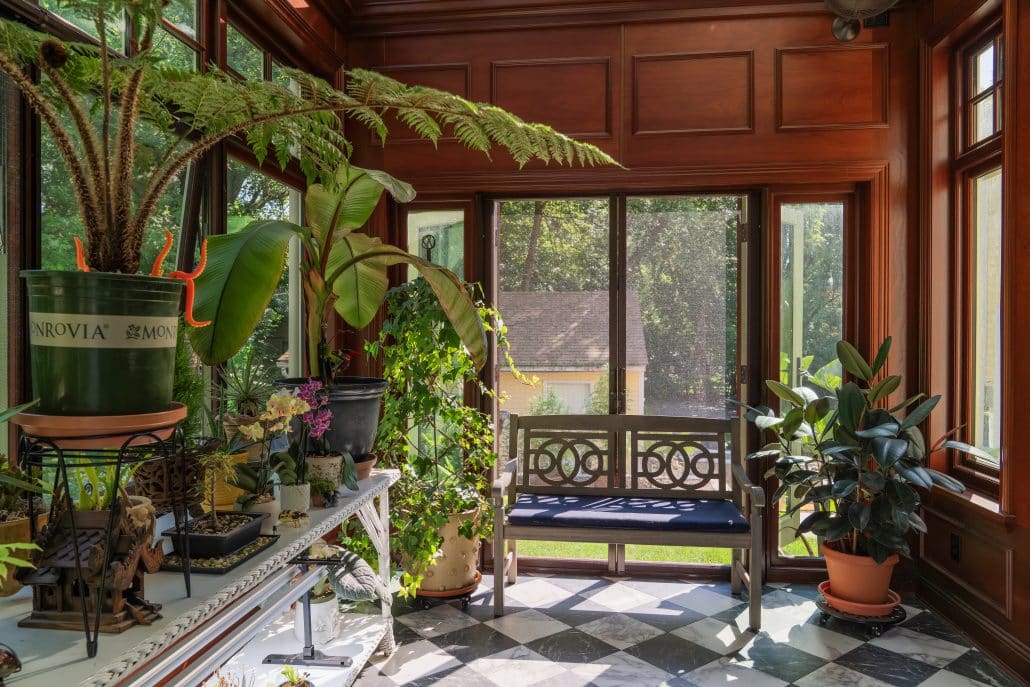


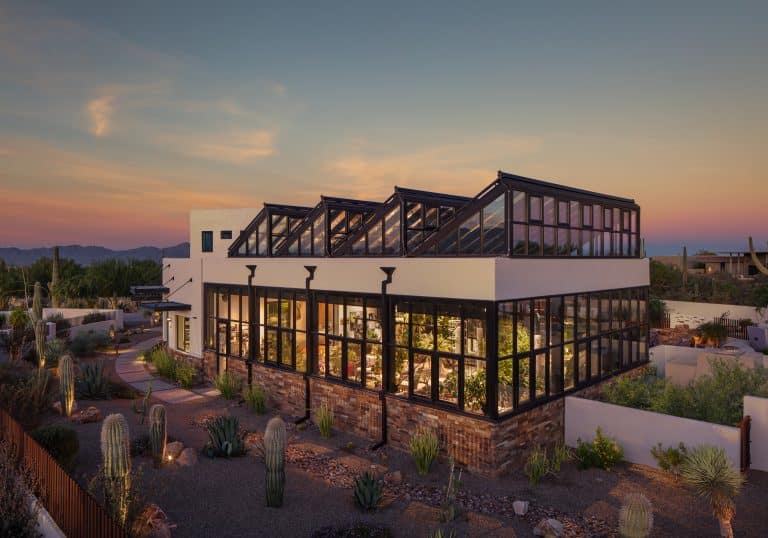


They both bring the outdoors in. They both add light, space, and value to your home. But a sunroom and a conservatory are not the same thing. Choosing between them without understanding the difference can lead to a result that looks great on paper but falls short in real life.
If you are exploring ways to add a light-filled living space to your home, this guide gives you an honest look at what is the difference between a sunroom and a conservatory, what each one is best suited for, and how to decide which direction fits your vision.
Sunroom vs Conservatory Overview
- A sunroom has a solid, insulated roof and traditional framing.
- A conservatory features glass walls and a glass roof.
- Sunrooms feel like a home addition.
- Conservatories feel like a glass architectural feature.
- Both can be climate-controlled for year-round use.
The Basic Difference: Construction and Purpose
Think of a sunroom as a room addition with large windows, and a conservatory as a structure built almost entirely of glass.
A sunroom uses a solid, insulated roof and standard framing, feeling like a natural extension of your interior. Because it is built like a traditional room, it is typically more affordable to construct and easier to climate-control year-round.
A conservatory is defined by its glass walls and roof, creating a space fully immersed in the outdoors. With light entering from every angle and unobstructed views of the sky, it offers a connection to nature that a standard room addition simply cannot replicate.
Key Differences Side by Side
- Roof: Sunrooms use solid roofs; conservatories use glass or structural glazing.
- Light: Conservatories provide light from both above and the sides.
- Connection: Conservatories blur the indoor-outdoor line, while sunrooms soften it.
- Performance: Modern high-performance glazing allows for comfortable year-round use.
- Style: Sunrooms blend with existing architecture; conservatories are distinct architectural statements.
- Purpose: Sunrooms suit daily living; conservatories excel for plants and entertaining.
Is a Conservatory More Expensive Than a Sunroom?
Here is a quick breakdown of the cost differences:
- Conservatories typically involve more custom fabrication
- Structural glazing increases material cost
- Sunrooms are usually more budget-friendly
- Long-term value depends on design and integration
What About Greenhouses and Orangeries?
A greenhouse is a structure built for plants, prioritizing growing conditions like humidity and light over human comfort. While it can be a beautiful addition to your property, its primary purpose is functional rather than residential.
An orangery sits between a conservatory and a traditional room addition. Featuring solid walls and a lantern roof, it offers a warmer, more enclosed feel than a full-glass conservatory and was historically designed for growing citrus trees.
Conservatory Craftsmen designs and builds all four styles—conservatories, sunrooms, greenhouses, and orangeries, helping you identify which structure best fits your home and how you plan to use the space.
Smart Technology Changes What a Conservatory Can Do
One of the most significant advances in conservatory design over the past decade is the integration of smart home technology, and it changes the calculus on year-round comfort considerably.
Conservatory Craftsmen builds smart features directly into every project. Their systems are programmed to respond automatically to changing weather and temperature conditions, adjusting climate controls, ventilation, and shading without requiring manual intervention.
For homeowners who want more direct control, everything can be managed manually or from a smartphone remotely.
Practical capabilities include:
- Smart Climate Control: Maintains comfortable temperatures through seasonal swings.
- One-Touch Management: Instant control of humidity and ceiling fans.
- App-Controlled Blinds: Adjust shading remotely from your phone.
- Automated Watering: Programmable irrigation for greenhouse plants.
- Remote Monitoring: Real-time video access to your space and plants.
This level of integration means that concerns about a conservatory being too hot in a Wisconsin or Minnesota summer or too cold in January are addressed at the design stage, not retrofitted later.
Which One Is Right for Your Home?
The honest answer depends on three things: how you want to use the space, what your home’s architecture allows, and what experience you are trying to create.
A sunroom is likely the better fit if you want:
- A casual, comfortable living or family room with plenty of natural light
- A space that feels like a natural extension of your existing interior
- A straightforward construction process with a more predictable budget
- Year-round use with standard HVAC integration
A conservatory is likely the better fit if you want:
- A space that feels genuinely immersed in natural light from every direction
- An architectural feature that adds distinctive character and value to your home
- A dedicated plant room, greenhouse, or growing space within a beautiful structure
- A premium entertaining or dining space with panoramic views of your garden
- A custom-designed space built to your home’s aesthetic and your vision
For homeowners in the Northeast, Midwest, and across the country who want something beyond a standard room addition, the conservatory conversation is worth having in depth before making any decisions.
Why Conservatory Craftsmen
Jim Hewitt and the Conservatory Craftsmen team have spent 30 years designing and building conservatories, greenhouses, orangeries, and sunrooms for homeowners who want something genuinely exceptional.
As an 18-time Best of Houzz winner and a family-owned business with three decades of hands-on experience, Conservatory Craftsmen brings a level of design knowledge and craftsmanship that most contractors simply cannot match.
As one Houzz reviewer noted after their conservatory project in New York: “Jim himself emailed back within a couple of hours. He then visited our home several times over the winter to brainstorm, measure, and plan.”
That kind of personal investment from the person who leads the company is what separates a custom craftsman from a standard contractor.
In conclusion, whether you are drawn to the warmth of a sunroom, the immersive light of a conservatory, or the functionality of a greenhouse, the first step is a conversation with someone who knows the difference inside and out.
Schedule a design consultation with Conservatory Craftsmen and explore what is possible for your home.