


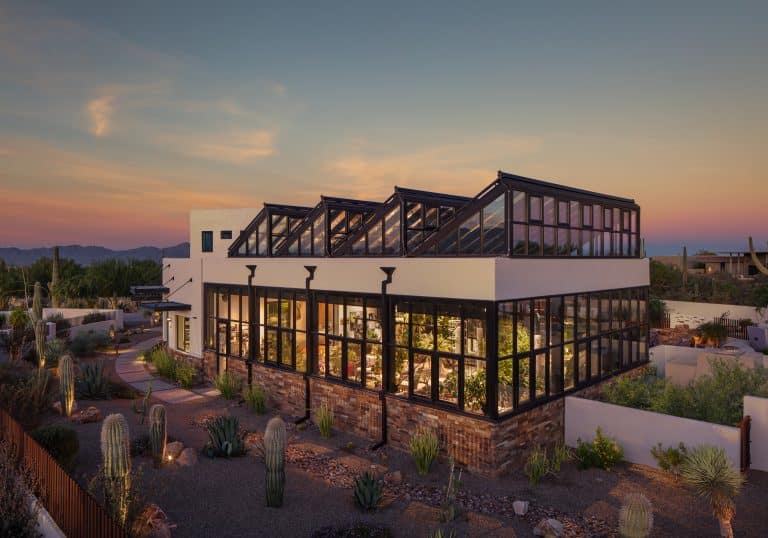


I have been building conservatories for almost 25 years, and still most of my friends have no idea what I do.
They call them “greenhouses,” “sunrooms,” “sun porches,” “garden rooms,” “gazebos,” and for those with a bit of imagination; “gazebotoriums!”
But what makes a Conservatory a bit different from all of the above?
One of our customers once told us, “If I ever build another house, it will have a bedroom, bathroom, kitchen, and conservatory because those are the only rooms we ever use!” Well, 15 years later when he was building a new home he did add a few more rooms to that list—including a much larger conservatory.
What Is a Conservatory?
A conservatory room is defined by its distinctive glass walls and roofs, supported by meticulously crafted frames that flood the space with natural light. These graceful structures create an inviting environment where you can immerse yourself in the beauty of your surroundings, no matter the season.
Conservatories serve a multitude of purposes, from acting as a greenhouse for cultivating exotic plants to providing a luxurious space for relaxation, entertaining, or indulging in hobbies. At Conservatory Craftsmen, we take the concept of a conservatory room to new heights, incorporating advanced features like automated climate control, smart blinds, and self-regulating watering systems for your greenery. By combining innovative technology with artisan craftsmanship, we create conservatories that enhance not only your home but your lifestyle—transforming them into vibrant, versatile spaces that you’ll enjoy year-round.
How Is a Conservatory Different from a Sunroom or Solarium?
At first glance, conservatories, sunrooms, and solariums might appear similar, but the differences are significant when it comes to design, functionality, and appeal. A sunroom is a straightforward enclosed space with windowed walls, aiming to extend your living area while offering sunlight and views. Solariums, meanwhile, feature fully glazed walls and roofs, designed as serene, sunlit spaces meant to capture as much daylight as possible.
A conservatory room, however, is in a league of its own. Unlike the simpler construction of sunrooms and solariums, conservatories are architectural showcases that combine beauty with utility. They’re designed to elevate your living experience, offering unmatched sophistication and functionality. With Conservatory Craftsmen, every conservatory is a reflection of bespoke design. Think gothic arch muntins for a timeless aesthetic, state-of-the-art automated systems for effortless comfort, and thoughtful details that merge modern living with natural harmony.
When considering a conservatory’s unique value, it’s about more than just creating an extra room. It’s crafting an experience—a retreat that feels integrated with nature yet luxurious in every way.
History of Conservatories
When Europeans first started building conservatories, they also constructed greenhouses—one space for growing plants, another for showcasing them. Many renowned conservatories in the United States have both production facilities (greenhouses) and display areas (conservatories).
We know that when Mrs. White invited everyone to her house, including our friend, Colonel Mustard, the intention was certainly not to stage a murder in the conservatory!

Do you know the Colonel’s first name? (If so, send a comment!)
The point is that—conservatories are becoming increasingly popular in modern homes. No longer just a feature of Victorian architecture, they now serve as full living spaces where you can enjoy the sun, grow plants, and cultivate fruits and vegetables year-round. Additionally, they can act as a passive energy source for your home.
In this guide, we will outline the design of a typical suburban home that incorporates a conservatory with basic energy-saving features. We will also explore the benefits of adding a conservatory to your home and how it can enhance your lifestyle.
Designing a Typical Home Conservatory
When incorporating a conservatory into a suburban home, its design should seamlessly blend with the existing architecture while enhancing the functionality of the space. A residential conservatory can take on various styles, such as a garden room, luxury greenhouse, or deep winter greenhouse.
Choosing the Style
- Garden Room: This style focuses on creating a lush indoor garden space with plenty of natural light and ventilation. It is commonly used as a sitting or dining area, providing a serene escape in the middle of nature.
- Luxury Greenhouse: A luxury greenhouse conservatory incorporates elegant design features and advanced technology to create an optimal environment for growing plants year-round. This style is perfect for avid gardeners or those looking to grow plants and herbs for personal use.
- Deep Winter Greenhouse: Designed with energy efficiency in mind, this type of conservatory utilizes passive solar techniques to keep the space warm during cold winter months. It is ideal for growing vegetables and fruits throughout the year.
Energy-Efficient Features
To make the most out of your conservatory, it is important to incorporate energy-saving features into its design. These can include:
- Thermal Mass: Using materials with higher thermal mass, such as brick or concrete, can help regulate temperature fluctuations and reduce heating costs.
- Insulated Glazing: Double or triple-glazed windows with low-emissivity coatings can prevent heat loss and reduce the need for artificial heating.
- Passive Solar Design: Orienting the conservatory towards the sun’s path and using shading techniques can optimize natural light and heat gain.
- Efficient Ventilation: Incorporating windows, doors, or vents that you can open to allow for natural ventilation can help regulate temperature and airflow.
Materials and Construction
Modern conservatories can be constructed using a variety of structural materials, each with its own advantages:
- Aluminum: Lightweight and strong, aluminum frames can support large panes of glass, providing unobstructed views and a sleek, contemporary look.
- Mahogany: A hardwood known for its durability, mahogany is an excellent choice for traditional-style conservatories.
- Glass: The primary material used for walls and roofs in conservatories, glass allows natural light to flood the space and provides a connection with the outdoors.
Interior Design and Decoration
A well-designed conservatory should engage the eye while reflecting your personal style and your functional needs:
- Furniture: Choose comfortable, weather-resistant furniture that complements the overall design. Rattan, wicker, and wrought iron pieces are popular choices.
- Lighting: Use task, ambient, and accent lighting to create an inviting atmosphere. Consider installing dimmable lights for added flexibility.
- Plants: Incorporating plants into your conservatory adds a touch of nature and enhances the space’s connection to the outdoors. Choose varieties that thrive in the available light conditions.
Benefits of Adding a Conservatory
- Increased Living Space:An energy-efficient conservatory room provides a versatile extension to your home, offering a flexible space that can serve multiple functions. Whether you need a cozy sunroom for relaxation, a dining area for entertaining guests, a quiet home office with scenic views, or a vibrant playroom for children, a conservatory adapts seamlessly to your lifestyle through custom conservatory designs tailored specifically to your needs.
- Enhanced Natural Light:Conservatory rooms are designed with large glass panels, maximizing exposure to natural sunlight throughout the day. This influx of light not only reduces the need for artificial lighting but also contributes to improved mood and well-being. With energy-efficient glazing options, such as low-E glass and solar control glass, these spaces regulate interior temperature effectively, ensuring that your conservatory remains comfortable and energy-conscious year-round.
- Seamless Connection to the Outdoors:Enjoy panoramic garden views and experience the beauty of the changing seasons from the comfort of your energy-efficient conservatory room. Featuring bi-fold or sliding doors, a conservatory creates a smooth transition between your indoor living space and the outdoor environment. Perfect for nature lovers or for elevating al fresco dining and gardening experiences, custom conservatory designs ensure this connection is both functional and aesthetically pleasing.
- Year-Round Usability and Versatility:Modern conservatories are built with year-round conservatory use in mind. Equipped with advanced insulation, underfloor heating, and efficient ventilation systems, these spaces are designed to remain inviting in every season. Whether you desire a sunlit reading nook in winter or a cool, tranquil retreat in summer, today’s energy-efficient conservatory rooms are customizable to include features like blinds, fans, and cutting-edge climate-control glazing for optimum comfort all year long.
- Increased Property Value:A thoughtfully designed energy-efficient conservatory room not only enhances your lifestyle but also significantly increases your home’s curb appeal and market value. Homes featuring custom conservatory designs often capture the attention of discerning buyers seeking a versatile and luxurious living space that connects beautifully to the outdoors.
- Customization Options:
The appeal of custom conservatory designs lies in their flexibility. From roofing styles—solid, glass, or hybrid—to premium interior finishes like elegant flooring, tasteful lighting, and bespoke furniture, every detail can be tailored to suit your preferences. Choose traditional timber frames for a classic aesthetic or sleek aluminum for a modern finish, ensuring your energy-efficient conservatory room perfectly reflects your personal style while meeting your practical needs.
By investing in a conservatory crafted for year-round use by Conservatory Craftsmen, you’ll enjoy a space where architectural beauty meets energy efficiency and versatility, making it a centerpiece for your home and lifestyle.
Considerations Before Building
Before embarking on the construction of a conservatory, it’s important to:
- Check Planning Permissions: While many conservatories fall under permitted development rights, it’s essential to verify local regulations and obtain any necessary permits.
- Set a Budget: Find out how much you are willing to invest into your ideal design and plan accordingly. Factor in costs for materials, labor, and any additional features.
- Choose a Reputable Builder: Conservatory Craftsmen has been in the business of designing and building premium conservatories since 1988. Our team of skilled craftsmen will work collaboratively with you to create the perfect space for your home.
Let’s Design Your Conservatory Today
A conservatory is more than just an architectural feature; it’s a versatile and luminous living space that brings numerous benefits to a home. Whether you’re looking for a serene spot to unwind, a lively area for gatherings, or a productive space for personal hobbies, a conservatory can fulfill these needs while enhancing the overall aesthetic and value of your property.
By appreciating the blend of history, innovation, and practicality conservatories bring to modern living, we can thoughtfully design a conservatory that not only enhances your living space but also creates a harmonious connection between your home and nature. Contact Conservatory Craftsmen today at (612) 281-4985 to get started.