



Garden rooms combine the natural light of outdoor living with the comfort of an insulated interior space. Whether you’re creating a home office, entertaining area, or luxury retreat, modern garden room design makes year-round use possible across every season.
In this guide, you’ll discover:
- Garden room styles for different home types
- Seasonal design ideas for spring through winter
- Features that improve year-round comfort
- Planning considerations before building
Conservatory Craftsmen has been building them across the U.S. for homeowners who want something that performs as well as it looks.
What Is a Garden Room (And Why Are They So Popular)?
A garden room sits somewhere between a traditional home addition and a greenhouse. It’s more connected to the outdoors than a standard room, and far more refined than a shed or prefab sunroom. Think glass walls, thoughtful sightlines, and climate control designed for the space.
In the UK and Europe, these structures have been mainstream for decades. In the U.S., they’re gaining traction fast, particularly among homeowners who want livable square footage without a full-scale addition.
The use cases vary widely: home office, artist studio, yoga room, entertaining space, or a year-round dining room that makes the backyard feel like part of the house. (For a comparison of garden rooms vs. conservatories vs. sunrooms, see our what is a conservatory page.)

Garden Room Design Ideas by Style
Modern and Contemporary Garden Rooms
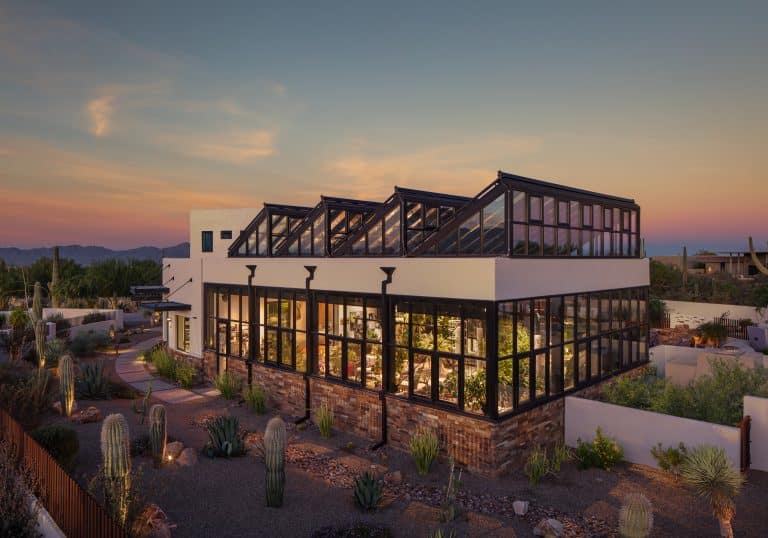
The modern garden room is defined by restraint. Clean lines, flat rooflines, floor-to-ceiling glass, and steel or powder-coated aluminum frames. Interiors tend toward polished concrete or large-format stone floors, minimal furniture, and an emphasis on the view. Low-E glass keeps the space energy-efficient without compromising clarity. Done right, this style looks like it belongs in an architecture magazine.
Classic and Traditional Garden Rooms
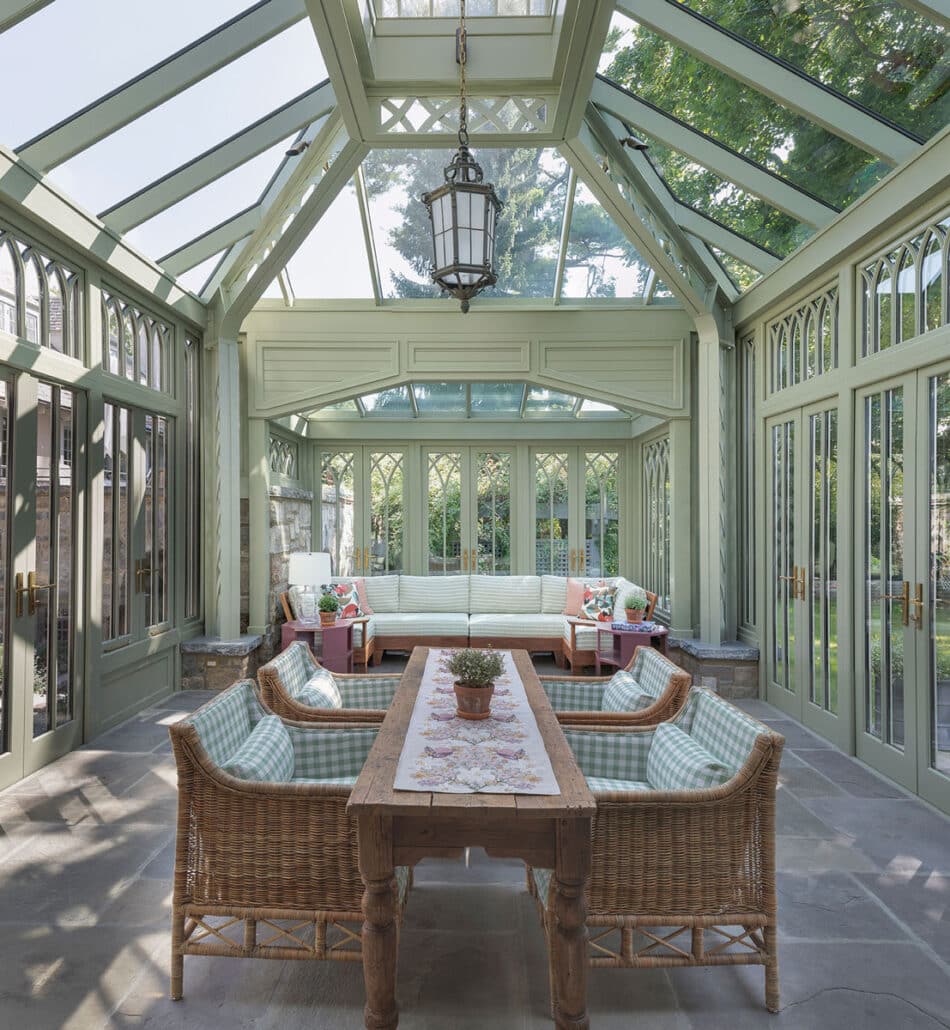
Victorian and Edwardian detailing still hold up. Finials, cresting, divided-light glass, brick or stone dwarf walls, and timber framing all give a garden room warmth and character that pair naturally with period homes.
If your house was built before 1950, this approach tends to feel cohesive rather than added-on. See our conservatory history page for context on how these styles developed.
Luxury Garden Rooms
This is where the project becomes more than a room. Heated floors, integrated lighting systems, custom millwork, bi-fold doors that open entire walls to a patio or pool. Add a built-in kitchenette or wet bar, and you have a space that handles a dinner party as easily as a quiet morning.
These builds require careful coordination between architect, builder, and structural engineer, but the result is a space that adds significant real estate value.
Garden Room Ideas for Every Season
Spring: The Garden Room as a Growing Space
Early spring is when a glass room earns its place. Seed-starting shelves, herb walls, and operable roof vents for passive ventilation turn the space into a productive growing environment while outdoor temperatures are still unreliable.
As spring progresses, those same vents and sliding panels shift the room from a closed winter retreat to an open, airy extension of the yard.
Summer: Indoor-Outdoor Entertaining
Bi-fold and sliding glass walls change the geometry of summer gatherings. Open them, and the space flows directly to the patio. Close them, and UV-filtering glass and motorized shades keep the heat manageable without killing the view.
Conservatory Craftsmen’s designs account for solar gain in warmer months, so the room stays comfortable even when the sun is high.
Fall: A Cozy Retreat with a View
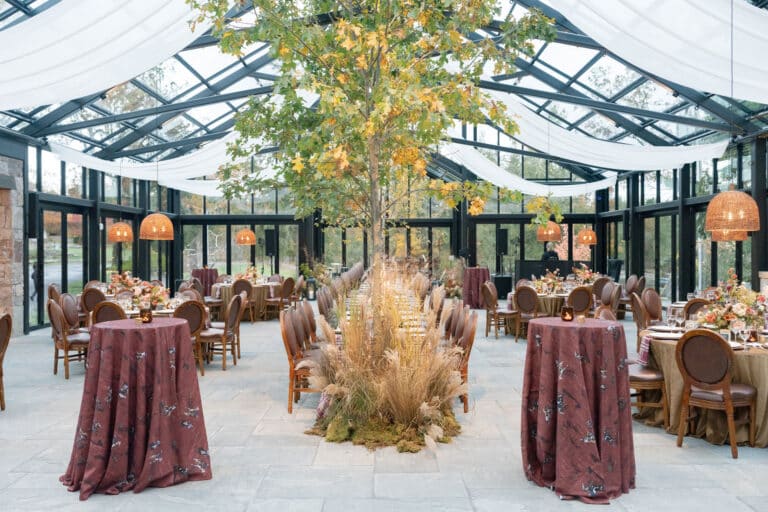
A glass room in October is something most people don’t anticipate until they have one. Watching the leaves change from a heated, glass-enclosed space, with a fireplace going and the right layered lighting, is a different experience than a standard interior room offers.
Ambient lighting design matters more in fall and winter, when natural daylight shrinks. This is worth planning at the design stage, not as an afterthought.
Winter: Year-Round Comfort in a Glass Room
Most garden rooms in the U.S. fail in winter because they weren’t engineered for it. Conservatory Craftsmen builds for North American climates, which means insulated glass, properly integrated HVAC, and heated flooring that keeps the space usable when temperatures drop below freezing.
Snow views from inside a warm glass room are genuinely one of the better arguments for the investment.
How to Plan a Garden Room Extension
Choosing between a freestanding or attached garden room affects everything from layout to long-term comfort.
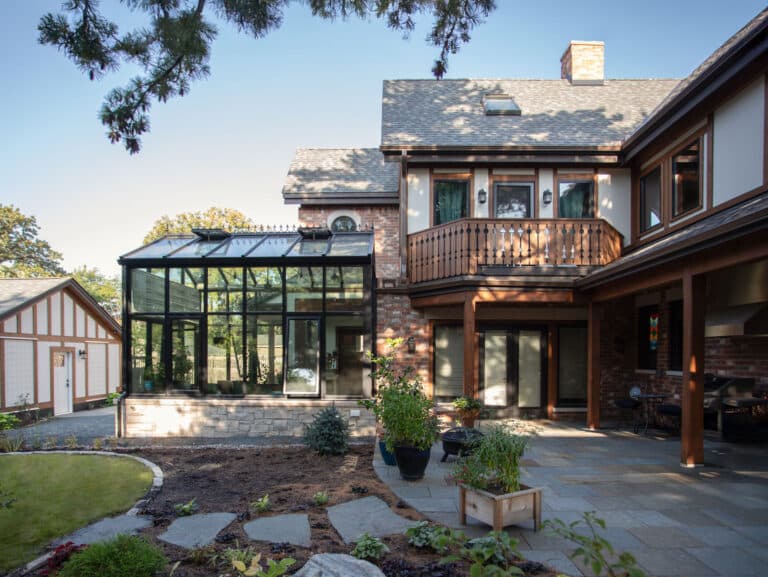
- Attached garden rooms make it easier to connect utilities and existing heating or cooling systems
- Freestanding designs offer more flexibility for placement, views, and sun orientation
- Site positioning matters because poor orientation can lead to overheating in summer and heat loss in winter
- Foundations, permits, and utility access all influence project costs and timelines
- Specialist builders bring added value with expertise in glazing, structural requirements, and year-round performance
To learn more, explore our freestanding conservatory design and compare material options for glass and steel before planning your build.
Start Designing Your Garden Room
Conservatory Craftsmen designs and builds custom garden rooms across the U.S. Every project is engineered for the specific climate and site, not pulled from a catalog. To see what’s possible, explore our portfolio or contact us to schedule a consultation.
Garden Room FAQs
Do garden rooms require planning permission? Requirements vary by municipality and project size. Attached structures and builds that exceed certain square footage thresholds are most likely to require permits. Conservatory Craftsmen handles permitting coordination as part of the build process.
How long does it take to build a garden room? Custom builds typically take 12 to 20 weeks from design sign-off to completion. Site prep, material lead times, and complexity all affect the timeline.
Can a garden room be used as a home office year-round? Yes, with the right glazing and climate system. Insulated glass, a dedicated HVAC connection, and heated flooring are standard in Conservatory Craftsmen’s year-round builds.
What’s the difference between a garden room and a sunroom? Sunrooms are typically built with standard framing and limited glazing. Garden rooms feature more glass, better sightlines, and higher-specification climate performance. The distinction matters most in climates with cold winters.
Can a garden room be freestanding? Yes. Freestanding garden rooms are common where site conditions or home layout make an attached build impractical. They require their own foundation and utility connections but offer more placement flexibility.