



Reno, Nevada, is not the easiest place to grow plants year-round. High elevation, cold winters, late spring frosts, intense summer sun, and a relatively short outdoor growing season can make it difficult to maintain plants that need conditions different from the surrounding climate.
For one Reno homeowner, a late spring frost that damaged his outdoor plants became the starting point for a different approach. A custom botanical conservatory that is designed to create a protected growing environment throughout the year.
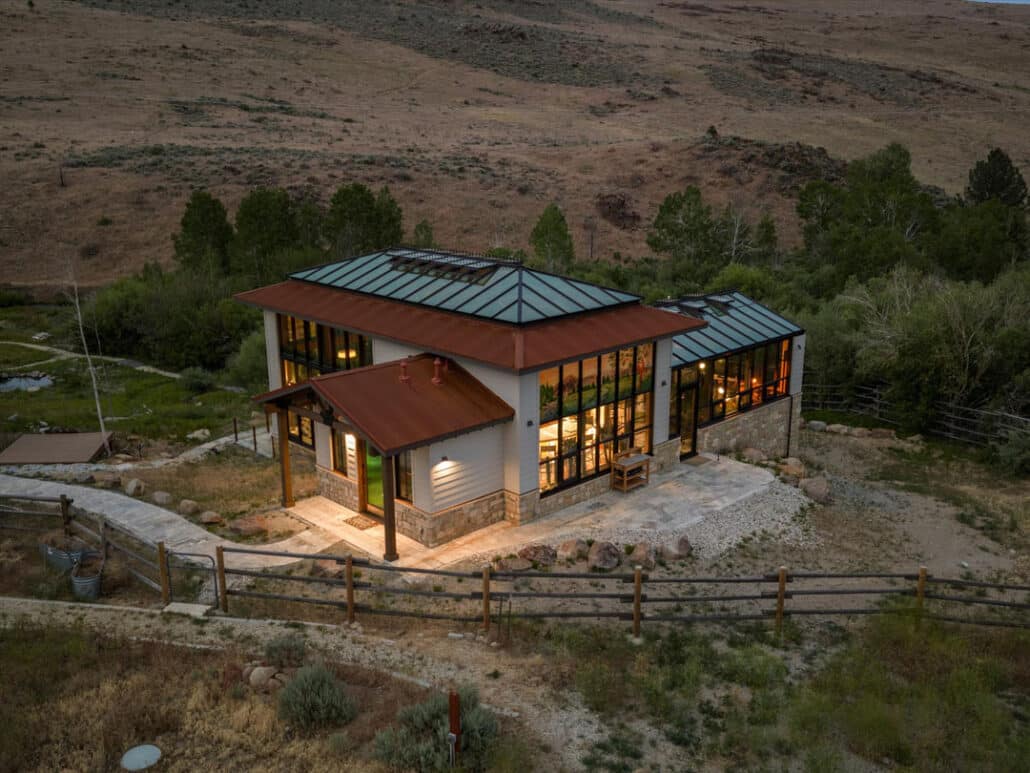
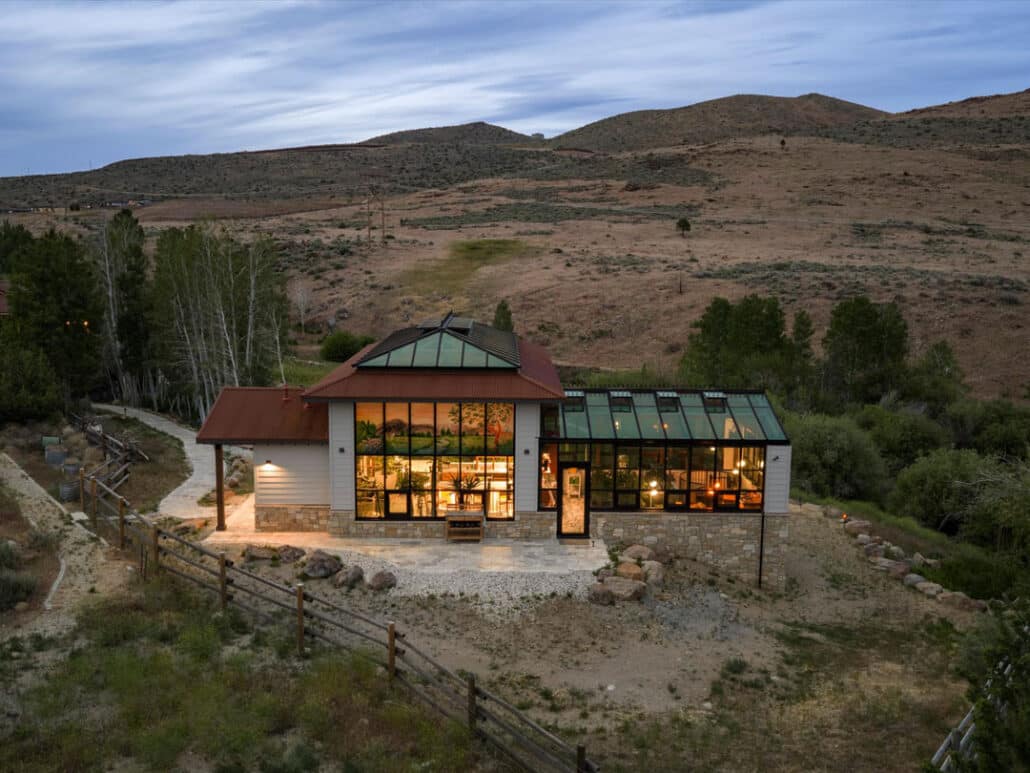
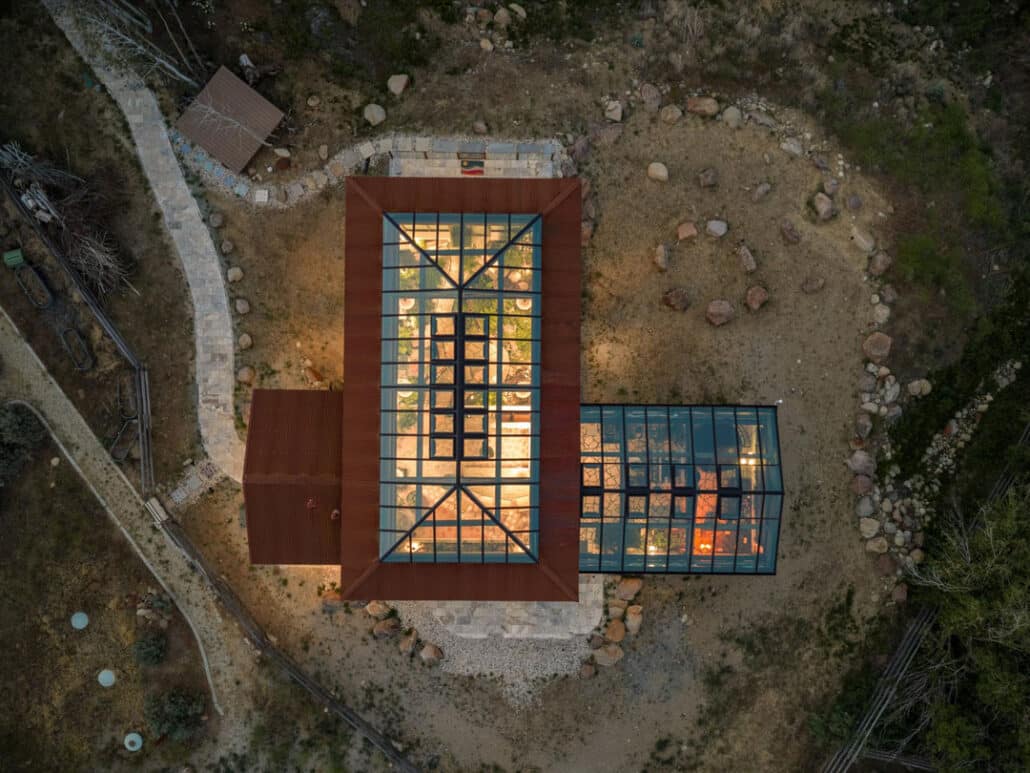
The resulting Galena Canyon Conservatory is more than a place to protect plants from the weather. It combines botanical gardening, productive growing space, custom conservatory architecture, mountain-inspired timber framing, and areas designed for entertaining.
How a Botanical Conservatory Can Extend the Growing Season
A conventional outdoor garden is largely at the mercy of local weather. A late frost can damage tender plants, while winter temperatures can make growing certain varieties impossible.
A botanical conservatory changes that equation by creating a protected environment between the outdoors and the interior of the home.
At the Galena Canyon Conservatory, the goal was not simply to create a warmer space. The homeowner wanted to grow a wide range of plants with very different requirements, including tropical specimens, orchids, vegetables, succulents, and rare botanical plants.
That meant the building needed to accommodate different growing conditions within the same overall structure.
This is where microclimates became an important part of the design.
What Are Microclimates in a Conservatory?
A microclimate is a localized environment with conditions that differ from the surrounding space.
In a conservatory, microclimates can be created through factors such as:
- Sun exposure
- Temperature
- Humidity
- Air movement
- Plant placement
- Growing systems
- Seasonal ventilation
Instead of forcing every plant to live under identical conditions, a thoughtfully designed conservatory can provide different environments for different types of plants.
That was particularly important in Reno.
The Galena Canyon project includes a botanical garden with rare and unusual specimens, including a 250-year-old desert rose, tropical gingers brought from Hawaii, and Asian orchids capable of growing several feet tall.
The space also supports practical food production, including tomatoes, cucumbers, and lettuce. Rolling planter tubs allow certain plants to move outdoors during warmer months, while an ebb-and-flow growing table provides a dedicated environment for lettuce.
The result is closer to a collection of specialized growing environments than a single large greenhouse.
Year-Round Greenhouse vs. Botanical Conservatory: What’s the Difference?
The terms greenhouse and conservatory are sometimes used interchangeably, but they can describe different priorities.
A greenhouse is primarily designed for growing. Its structure, glazing, ventilation, heating, and other systems are generally selected around horticultural performance.
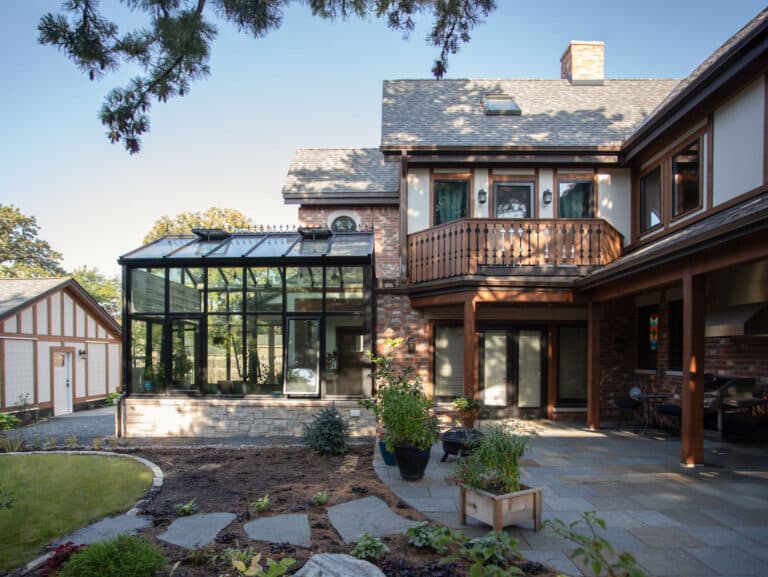
A conservatory can support growing at that same level while giving greater consideration to architecture, interior space, views, entertaining, and how the structure relates to the home.
That distinction matters when planning a custom project.
A homeowner looking for a year-round greenhouse in a cold climate may primarily need reliable growing conditions through winter. Someone planning a residential conservatory may want those capabilities combined with an architectural space where family and guests can spend time.
The Galena Canyon Conservatory was designed around both.
For more information, see Conservatory Craftsmen’s guides to what a conservatory is and conservatory vs. greenhouse.
A Timber-Frame Design Inspired by the Mountain West
A functional growing structure does not have to look like an agricultural building.
For this Reno residence, the architecture was inspired by the surrounding Mountain West landscape and the character of the existing home.
The interior features large Douglas fir timber trusses. Where steel structural elements were required, they were wrapped in Douglas fir to maintain the appearance of substantial timber construction.
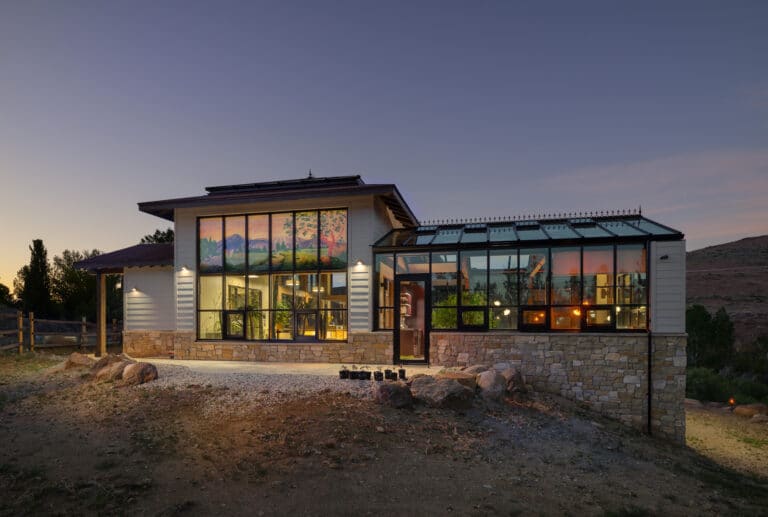
Stone on the exterior further connects the conservatory to its surroundings.
This approach demonstrates one of the advantages of a timber frame greenhouse or conservatory: structural elements can become part of the architectural character rather than something hidden from view.
The details extend beyond the major structural components.
Every steel gusset plate includes a unique laser-carved design inspired by nature, with imagery representing animals, plants, the sun, and the moon.
Custom ceramic-painted glass adds another layer of artistry. The glass incorporates imagery inspired by Mount Rose and the surrounding desert landscape, bringing elements of the Reno environment into the conservatory itself.
For more information, explore Conservatory Craftsmen’s steel materials and building decisions for a custom conservatory.
A Luxury Greenhouse Designed for Living, Too
The horticulture may be the reason a homeowner starts considering a conservatory, but it does not have to be the only reason to build one.
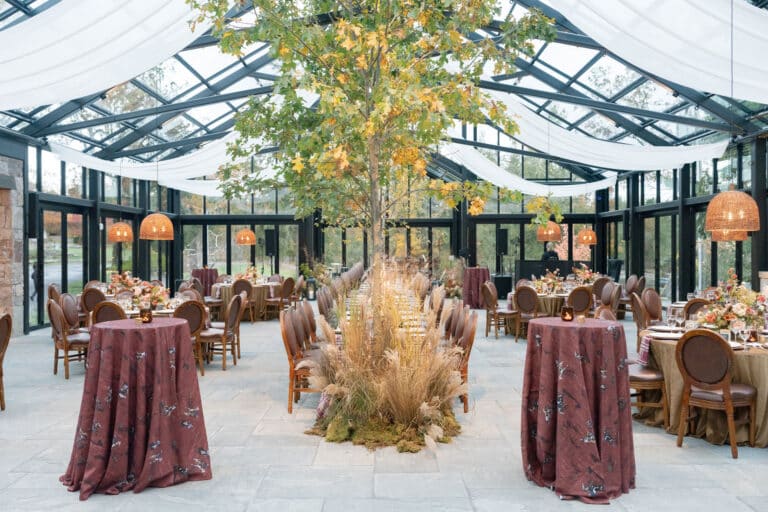
The Galena Canyon Conservatory was designed to accommodate the homeowner’s interest in entertaining as well as gardening.
The space includes a bar, gathering areas, a poker club, storage, a restroom, and a spiral staircase. The homeowner can enjoy the garden and surrounding mountain views while spending time with family, friends, and guests.
At one gathering, approximately 30 to 50 guests were able to use the indoor and outdoor areas.
That changes how you can think about a luxury greenhouse.
Instead of a structure occupied only when someone is tending plants, a well-designed conservatory can become another destination within the home.
It can be a garden room in the morning, a productive growing space in the afternoon, and an entertaining space in the evening.
If you’re considering a space that combines these functions, explore Conservatory Craftsmen’s garden room designs.
How to Design a Conservatory for Year-Round Growing
The plants should influence the building design from the beginning.
Before finalizing a custom conservatory, consider:
- What will you grow? Make a list of existing plants and the varieties you hope to add.
- What conditions do they need? Consider temperature, humidity, sunlight, ventilation, and seasonal changes.
- How will plants move? Large specimens may need rolling containers or another way to move between indoor and outdoor spaces.
- How will people use the space? Include room for paths, seating, entertaining, storage, and maintenance.
- How will the building relate to the property? Materials, proportions, views, rooflines, and architectural details can connect the conservatory to the home.
- How will the garden change? Plants grow, so leave room for the garden to mature.
Addressing these decisions during the conservatory design process is far easier than trying to correct them after construction.
Create Your Own Year-Round Garden
A custom botanical conservatory can give your plants the conditions they need while creating a beautiful space for living and entertaining. Talk to Conservatory Craftsmen about designing a conservatory around your climate, plants, property, and lifestyle.
Frequently Asked Questions About Botanical Conservatories
Can a conservatory be used as a year-round greenhouse?
Yes. A conservatory can be designed to provide protected growing conditions throughout the year. Heating, ventilation, glazing, insulation, sunlight, humidity, and plant-specific microclimates all need to be considered based on the local climate and intended plants.
Can you grow tropical plants in a conservatory in a cold climate?
Yes, with the appropriate environmental controls and growing conditions. A custom conservatory can incorporate different microclimates so tropical plants have different conditions from cold-hardy plants, vegetables, or succulents.
What is the difference between a luxury greenhouse and a conservatory?
A greenhouse primarily focuses on growing, while a conservatory can combine horticulture with architecture, living space, entertaining, and views. A custom conservatory can function as both a sophisticated growing environment and an extension of the home.
Is a timber frame greenhouse suitable for cold climates?
Timber framing can be incorporated into a greenhouse or conservatory designed for cold climates. However, the frame is only one part of the overall design. Glazing, insulation, heating, ventilation, orientation, and other building systems also affect year-round performance.
How much does a custom botanical conservatory cost?
There is no single price for a custom botanical conservatory. Size, structural design, glazing, materials, heating and ventilation systems, interior finishes, landscaping, and site conditions can all affect the investment. A custom design should be developed around the property, climate, plants, and intended use.